
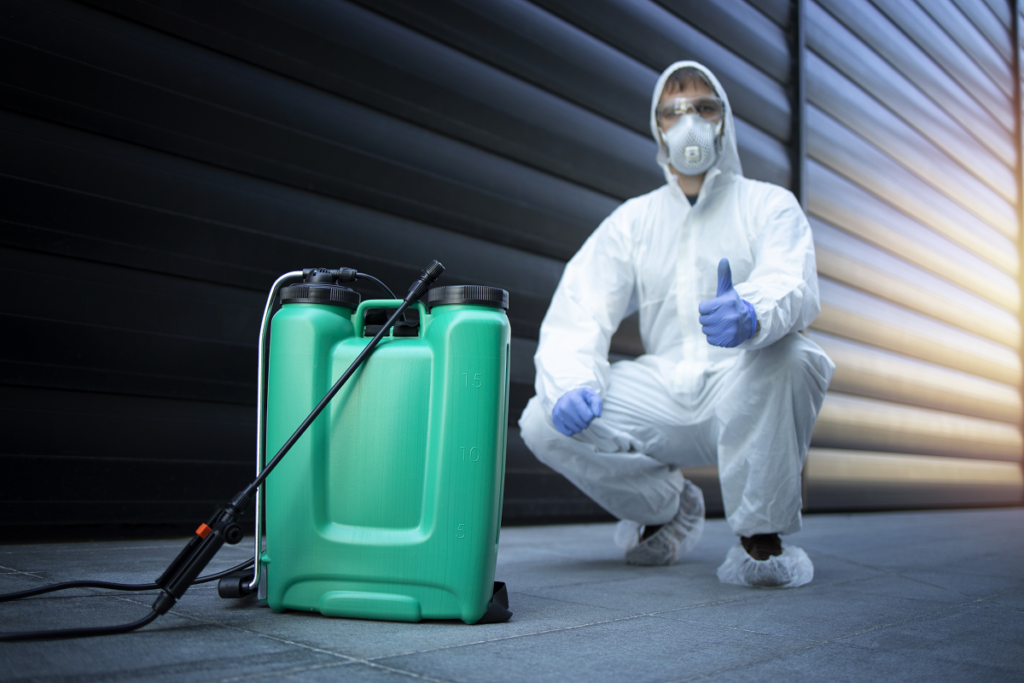
Delhi’s changing weather, dense population, and rapid urban development create the perfect environment for a variety of household pests. From termites silently damaging wooden furniture to cockroaches contaminating kitchens, pest infestations can affect your home’s hygiene, safety, and comfort. Ignoring the early signs often leads to costly repairs and health risks.
In this guide, we’ll discuss the most common pest problems in Delhi homes and practical ways to prevent them.
1. Termites: The Silent Destroyers
Termites are among the most destructive household pests. They feed on wood, paper, and other cellulose-based materials, causing severe damage to furniture, wooden doors, flooring, and even the structural framework of a building.
Prevention Tips:
- Schedule regular termite inspections.
- Repair leaking pipes and damp areas, as termites thrive in moisture.
- Store firewood and wooden items away from your home’s foundation.
- Seal cracks and gaps in walls and floors.
- Consider professional anti-termite treatment for long-term protection.
2. Bed Bugs: Tiny Pests That Disrupt Sleep
Bed bugs hide in mattresses, bed frames, furniture, and cracks during the day and become active at night. Their bites can cause itching, skin irritation, and sleepless nights.
Prevention Tips:
- Inspect mattresses and furniture regularly.
- Wash bedding in hot water and dry it at high temperatures.
- Vacuum mattresses, carpets, and upholstered furniture frequently.
- Avoid bringing second-hand furniture into your home without proper inspection.
- Seek professional treatment if the infestation becomes widespread.
3. Rats: A Serious Health Hazard
Rats and mice are common in residential areas, especially near food storage and garbage disposal sites. They damage electrical wiring, contaminate food, and spread diseases through their droppings and urine.
Prevention Tips:
- Keep food stored in airtight containers.
- Dispose of household waste daily.
- Seal holes, cracks, and entry points around doors and pipes.
- Remove clutter where rodents can hide.
- Use professional rodent control for safe and effective removal.
4. Cockroaches: Unwanted Kitchen Visitors
Cockroaches are one of the most common pests found in Delhi homes. They thrive in warm, humid environments and are often found in kitchens, bathrooms, and drains. They can spread bacteria and contaminate food preparation areas.
Prevention Tips:
- Clean kitchen counters and sinks every day.
- Do not leave dirty dishes overnight.
- Fix leaking taps and eliminate standing water.
- Empty garbage bins regularly.
- Seal cracks behind cabinets and appliances where cockroaches hide.
5. Snakes: An Occasional but Serious Concern
Although less common in urban apartments, snakes may enter homes located near open fields, gardens, vacant plots, or areas with heavy vegetation. Their presence can pose a serious safety risk.
Prevention Tips:
- Keep your surroundings clean and free from debris.
- Trim overgrown grass and bushes around the property.
- Seal openings under doors and around drainage pipes.
- Avoid attracting rodents, which are a food source for snakes.
- If you spot a snake, maintain a safe distance and contact the appropriate wildlife authorities or trained rescue professionals. Do not attempt to handle or kill the snake yourself.
6. Birds: When Nesting Becomes a Problem
Birds such as pigeons often nest on balconies, rooftops, and window ledges. While birds are an important part of the environment, nesting too close to homes can lead to droppings, blocked drainage, unpleasant odors, and damage to property.
Prevention Tips:
- Install bird netting on balconies and open spaces.
- Use bird spikes on ledges where birds frequently perch.
- Remove food and water sources that attract birds.
- Clean nesting areas safely and promptly once they are no longer active, while following local wildlife regulations.
- Seek professional bird management solutions for persistent problems.
General Pest Prevention Tips
Preventing pest infestations is easier and more affordable than dealing with a major outbreak. Follow these simple practices:
- Maintain proper household hygiene.
- Eliminate moisture and repair water leaks.
- Store food in sealed containers.
- Dispose of garbage regularly.
- Seal cracks, gaps, and entry points around the home.
- Schedule periodic pest inspections, especially before and after the monsoon season.
Conclusion
Pests such as termites, bed bugs, rats, cockroaches, snakes, and birds can create significant problems if left unchecked. Regular cleaning, proper home maintenance, and timely preventive measures can greatly reduce the risk of infestation. If you notice signs of pest activity, addressing the issue early with appropriate pest management solutions can help protect your home, your belongings, and your family’s well-being.
Frequently Asked Questions (FAQs)
1. Which pest is most common in Delhi homes?
Cockroaches, termites, rats, and bed bugs are among the most common household pests in Delhi due to the city’s climate and urban environment.
2. How often should I get pest control done?
For most homes, a professional pest control service every 6 to 12 months is recommended. Homes with recurring infestations may require more frequent treatments.
3. What attracts termites to a house?
Moisture, wooden furniture, cardboard, and untreated wood are the primary factors that attract termites.
4. Are professional pest control treatments safe for families?
Most modern pest control treatments are designed to be safe when applied according to the manufacturer’s instructions. Always follow the technician’s guidance regarding re-entry times and other precautions.
5. Can I prevent rats and cockroaches without professional help?
Good hygiene, proper waste disposal, sealing entry points, and removing food and water sources can reduce the risk. However, established infestations often require professional treatment.
6. What should I do if I find a snake in my home?
Keep a safe distance, prevent people and pets from approaching the area, and immediately contact local wildlife authorities or trained snake rescue professionals. Never attempt to capture or kill the snake yourself.
