
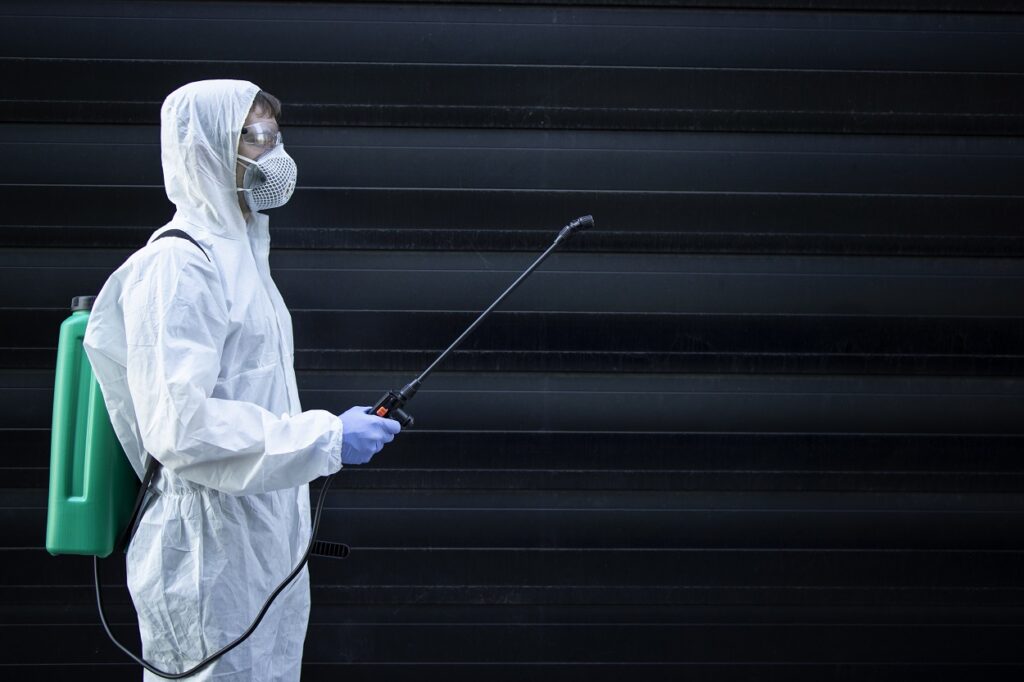
Pest control has come a long way from the days of heavy chemical sprays that left homes smelling toxic for days. Today, more homeowners are searching for safer, greener alternatives — but the term “eco-friendly pest control” gets thrown around so often that it’s worth asking: what does it actually mean?
Understanding Eco-Friendly Pest Control
Eco-friendly pest control refers to pest management methods that minimize harm to people, pets, and the environment while still effectively getting rid of unwanted insects and rodents. Instead of relying purely on synthetic pesticides, this approach combines several strategies:
- Botanical and plant-based treatments made from neem, pyrethrin, essential oils, and other natural compounds
- Integrated Pest Management (IPM), which focuses on prevention, monitoring, and targeted treatment rather than blanket spraying
- Non-toxic traps and baits that physically capture pests without chemical exposure
- Sealing entry points and removing food/water sources to stop infestations before they start
- Low-toxicity, biodegradable formulations that break down quickly and don’t linger in the environment
The goal isn’t just to kill pests — it’s to solve the underlying problem while keeping your family, pets, and local ecosystem safe.
Why It Matters for Your Home
Many households today include young children, elderly family members, or pets who are more sensitive to chemical residues. Traditional pesticides can trigger respiratory issues, skin irritation, and other health concerns, especially with repeated exposure. Eco-friendly methods reduce this risk significantly while still delivering reliable results against cockroaches, termites, bed bugs, mosquitoes, and rodents.
There’s also a broader environmental angle. Chemical runoff from pest treatments can affect soil quality, groundwater, and beneficial insects like bees. Choosing greener methods helps limit this impact, particularly in dense residential neighborhoods.
What a Genuine Eco-Friendly Service Looks Like
Not every company that claims to be “green” actually follows through. A trustworthy eco-friendly pest control service typically:
- Conducts a thorough inspection before recommending treatment
- Uses the least invasive method that will effectively solve the problem
- Clearly explains what products are being used and why
- Offers follow-up visits to ensure the issue doesn’t return
- Provides guidance on prevention — sealing cracks, managing moisture, proper waste disposal
If a provider can’t explain what’s in their treatment or skips the inspection step entirely, that’s a red flag.
Local, Reliable Pest Control Across Delhi NCR
Whether you’re dealing with a sudden cockroach problem in Uttam Nagar, persistent termite activity in Rohini, mosquito breeding grounds near Burari, or bed bugs in a home in Rajouri Garden, professional and environmentally responsible treatment options are available closer than you think. Residents in Raj Nagar Extension are also increasingly opting for low-toxicity pest management as awareness grows around indoor air quality and chemical safety.
A good local pest control service understands regional pest patterns — for instance, monsoon-driven mosquito surges or termite risks tied to older housing structures — and tailors treatment accordingly rather than applying a one-size-fits-all spray.
Making the Switch
If you’re currently using a pest control service that relies heavily on strong chemical sprays, consider asking these questions before your next appointment:
- What active ingredients are in the treatment?
- Is this method safe for children and pets?
- How long before I can re-enter treated areas?
- What preventive steps can reduce future infestations?
Switching to eco-friendly pest control doesn’t mean compromising on results. With the right combination of inspection, targeted treatment, and prevention, most homes see the same — or better — long-term outcomes with far less chemical exposure.
Frequently Asked Questions
1. Is eco-friendly pest control as effective as chemical treatments? Yes, when done correctly. Eco-friendly methods often take a more strategic approach — targeting the source of infestation rather than just symptoms — which can lead to longer-lasting results.
2. How long does an eco-friendly pest control treatment take to show results? Most treatments show visible improvement within a few days to two weeks, depending on the pest type and severity of infestation. Severe termite or bed bug problems may need multiple sessions.
3. Is it safe to stay home during treatment? In most cases, yes. Eco-friendly products typically use lower-toxicity formulations, but it’s still best to follow the technician’s specific instructions, especially regarding ventilation time.
4. Do eco-friendly methods work for termites? Yes. Techniques like baiting systems and botanical termiticides can effectively manage termite colonies without the heavy chemical load of older treatment methods.
5. How often should I schedule pest control at home? For most homes, a preventive treatment every 3–6 months is sufficient. Homes in humid or pest-prone areas may benefit from more frequent visits.
6. Are eco-friendly treatments more expensive? Pricing varies by provider and pest type, but eco-friendly treatments are generally comparable in cost to traditional options, especially when factoring in fewer repeat visits due to better long-term prevention.
