
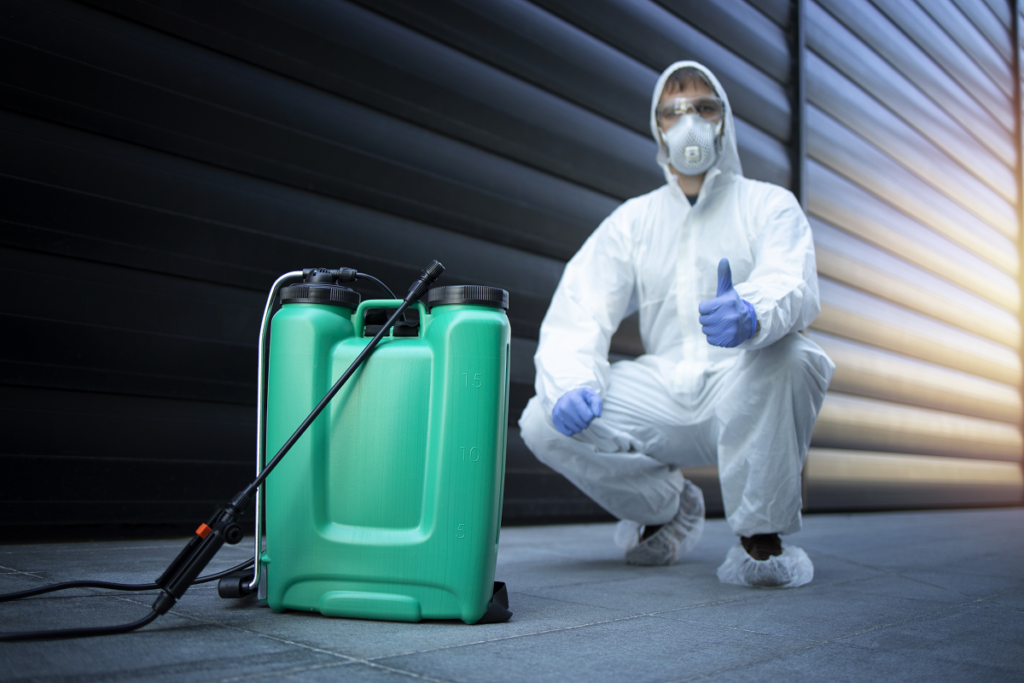
Your home should be a safe, clean, and comfortable place for your family. However, unwanted pests such as cockroaches, ants, termites, mosquitoes, bed bugs, rodents, and spiders can quickly disturb your peace. Besides being unpleasant, some pests can contaminate food, damage furniture and property, and create hygiene concerns. This is where professional Residential Pest Control Services can make a significant difference.
Unit Pest Control provides professional pest management solutions designed to identify pest problems and control infestations effectively. Whether you are dealing with occasional pests or a serious infestation, professional pest control can help protect your home and maintain a healthier living environment.
Why Is Residential Pest Control Important?
Pests can multiply quickly when they find suitable food, water, and shelter inside your home. Small signs such as droppings, damaged wood, insect trails, unpleasant smells, or seeing pests regularly may indicate a larger infestation.
Professional residential pest control focuses not only on eliminating visible pests but also on identifying potential hiding and breeding areas. Experts inspect the property, determine the type of pest, and recommend an appropriate treatment approach.
Regular pest control can be particularly useful for homes located in areas where insects and rodents are common throughout the year.
Common Household Pests
Different pests require different treatment methods. Some of the most common household pests include:
Cockroaches
Cockroaches often hide in kitchens, bathrooms, drains, cabinets, and other dark, moist areas. They can contaminate surfaces and food, making professional treatment important when an infestation develops.
Termites
Termites can cause serious damage to wooden furniture, doors, flooring, and other structures. Because they often remain hidden, early inspection and treatment can help reduce the risk of extensive property damage.
Bed Bugs
Bed bugs can hide in mattresses, bed frames, furniture, and cracks around sleeping areas. Their bites can cause itching and discomfort, while eliminating an established infestation can be difficult without professional treatment.
Ants
Ants can enter homes through tiny gaps while searching for food and water. Professional pest control can help locate their entry points and nesting areas.
Mosquitoes
Mosquitoes can become particularly troublesome around homes with stagnant water or suitable breeding conditions. Reducing breeding areas and using appropriate pest-control measures can help manage mosquito activity.
Rodents
Rats and mice can damage wires, packaging, furniture, and other household materials. They can also contaminate areas where food is stored. Professional rodent control helps identify entry points and activity areas.
Benefits of Professional Residential Pest Control
Choosing professional pest control offers several advantages over repeatedly trying temporary solutions.
1. Expert Inspection: Professionals can identify the pest species, infestation level, and areas where pests are hiding.
2. Targeted Treatment: Different pests require different approaches. Professionals can select suitable treatment methods based on the infestation.
3. Long-Term Prevention: Effective pest management includes identifying conditions that allow pests to return, helping homeowners take preventive measures.
4. Convenience: Professional services can save homeowners considerable time and effort compared with repeatedly using household pest-control products.
5. Protection of Property: Controlling pests such as termites and rodents can help reduce the risk of damage to furniture, structures, electrical wiring, and household belongings.
How to Prevent Pest Infestations at Home
Professional treatment works best when combined with good household practices. Keep kitchens and dining areas clean, store food in sealed containers, dispose of waste regularly, repair leaking taps and pipes, and avoid leaving standing water around the property.
Seal cracks, gaps, and possible entry points around doors, windows, walls, and plumbing areas. Regularly inspect wooden furniture and other areas that may attract termites or insects.
If you notice repeated pest activity despite maintaining good hygiene, it may be time to arrange a professional inspection.
Why Choose Unit Pest Control?
Unit Pest Control offers residential pest control solutions focused on identifying and managing common household pest problems. Its professional approach helps homeowners address infestations while also understanding the possible causes behind recurring pest activity.
Instead of waiting until an infestation becomes difficult to manage, homeowners can consider professional pest inspection and treatment at the first signs of a problem.
Conclusion
A pest-free home is an important part of maintaining a clean and comfortable living environment. From cockroaches and ants to termites, bed bugs, mosquitoes, and rodents, different pests require different control strategies.
With professional Residential Pest Control Services, homeowners can address existing infestations and take preventive steps to reduce future pest problems. If you are noticing signs of pests in your home, contacting Unit Pest Control for a professional assessment can be a practical first step toward a cleaner and more comfortable home.
FAQs
1. What are Residential Pest Control Services?
Residential Pest Control Services are professional treatments designed to control and prevent common household pests such as cockroaches, termites, bed bugs, ants, mosquitoes, and rodents.
2. How often should a home receive pest control?
The frequency depends on the pest type, property conditions, infestation level, and surrounding environment. A pest-control professional can recommend a suitable treatment schedule.
3. Can pest control prevent future infestations?
Yes. Professional pest management can help identify entry points, nesting areas, and environmental conditions that contribute to infestations. Preventive measures can then be recommended.
4. How do I know if my home has a pest infestation?
Common signs include seeing pests frequently, droppings, damaged wood, insect trails, unusual smells, bite marks, or hearing scratching noises from walls or ceilings.
5. Is professional pest control better than DIY treatment?
DIY products may help with minor pest activity, but established infestations can require professional inspection and targeted treatment. Professionals can also identify the source of recurring pest problems.
6. What should I do before pest control treatment?
Follow the instructions provided by your pest-control professional. Depending on the treatment, you may need to cover or store food, clear certain areas, and provide access to places where pests are active.
