
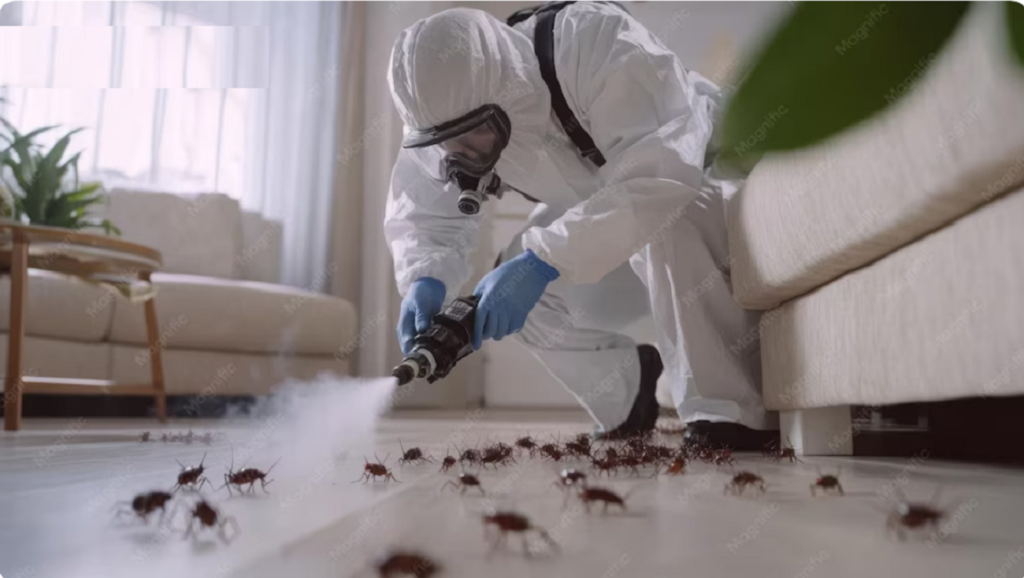
The Monsoon Season brings much-needed relief from the summer heat, but it can also create ideal conditions for insects and other pests. Increased humidity, stagnant water, damp corners, and overflowing drains can encourage pests to enter homes in search of food, shelter, and moisture. For families across Delhi-NCR, taking preventive measures during the rainy season can help reduce common Pests Problems in Monsoon.
From mosquitoes and cockroaches to ants, bed-bugs, termites, flies, and rodents, monsoon-related pest activity can become a nuisance if not addressed early. With proper hygiene, moisture control, and timely Monsoon Pest Control, homeowners can protect their living spaces more effectively.
Why Do Pests Increase During the Monsoon?
Rain and humidity change the environment around your home. Water accumulation provides breeding opportunities for mosquitoes, while damp and dark areas become attractive hiding places for cockroaches and other insects. Heavy rainfall can also disturb pests living outdoors, encouraging them to move indoors.
Cracks around doors, windows, pipes, drains, and walls can provide easy entry points. Food waste, uncovered garbage, and standing water can further increase the attraction.
Common Pests During the Monsoon Season
Several pests become more active during rainy weather. Mosquitoes can multiply around stagnant water collected in coolers, flowerpots, drains, rooftops, and containers. Cockroaches are commonly found around kitchens, bathrooms, drains, and damp spaces.
Ants may enter homes when rain disrupts their outdoor nests. Termites can also become a concern because moisture creates favourable conditions for their activity. Flies and rodents may increase around garbage areas, drainage systems, and places where food is easily accessible.
Identifying the pest early makes it easier to choose the appropriate control method.
1. Eliminate Standing Water
One of the most important monsoon pest prevention steps is removing stagnant water. Regularly inspect plant pots, buckets, coolers, roof areas, drains, and unused containers.
Even small amounts of standing water can become mosquito breeding sites. Keep water-storage containers properly covered and clean coolers regularly.
2. Keep Drains Clean
Blocked or dirty drains can attract cockroaches, flies, mosquitoes, and other pests. During the rainy season, make sure household and surrounding drainage systems remain clear.
Remove accumulated leaves, waste, and debris from outdoor drains. Proper drainage also helps reduce excessive moisture around the property.
3. Control Moisture Inside Your Home
Pests thrive in damp environments. Check bathrooms, kitchens, balconies, basements, and areas beneath sinks for water leakage or excessive moisture.
Repair leaking taps and pipes as soon as possible. Ensure adequate ventilation in bathrooms and kitchens to reduce humidity and prevent damp conditions.
4. Seal Cracks and Entry Points
Inspect your property for gaps around doors, windows, pipes, vents, and walls. Small cracks can provide entry points for insects and rodents.
Use suitable sealants, door sweeps, mesh screens, or other preventive measures to reduce access. Keeping windows and doors properly screened can also help limit flying insects.
5. Maintain Kitchen Hygiene
Food particles and uncovered food can attract cockroaches, ants, flies, and rodents. Store food in sealed containers and clean kitchen surfaces regularly.
Do not leave dirty dishes for extended periods, and empty household garbage frequently. Keeping the kitchen dry and clean can significantly reduce pest attraction.
6. Keep Your Surroundings Clean
Monsoon pest prevention should not stop inside the house. Trim overgrown vegetation and avoid unnecessary accumulation of wood, cardboard, leaves, and other materials near walls.
Keep garbage bins covered and dispose of waste properly. A clean area around the property gives pests fewer opportunities to hide and reproduce.
7. Don’t Ignore Early Signs of Infestation
Seeing one or two insects may not always indicate a major infestation, but repeated sightings should not be ignored. Signs such as droppings, unpleasant odours, damaged wood, nests, eggs, or pest activity at night may indicate a developing problem.
Early intervention can make pest management easier and potentially reduce the extent of treatment required.
When Should You Consider Professional Monsoon Pest Control?
If pest activity continues despite regular cleaning and preventive measures, professional treatment may be necessary. Experienced pest control professionals can inspect the property, identify potential breeding and hiding areas, and recommend an appropriate treatment plan.
Professional Monsoon Pest Control can be particularly useful for recurring cockroach, mosquito, termite, ant, rodent, and fly problems. Unit Pest Control provides pest management solutions designed to help homeowners address seasonal infestations and maintain a more comfortable environment.
Conclusion
The Monsoon Season can increase pest activity, but simple preventive measures can help reduce many common Pests Problems in Monsoon. Removing stagnant water, keeping drains clean, controlling moisture, sealing entry points, maintaining kitchen hygiene, and monitoring early signs of infestation are important steps.
When prevention is not enough, professional pest control can provide targeted assistance. Taking action early can help keep your Delhi-NCR home cleaner, safer, and more comfortable throughout the rainy season.
FAQs
1. Why do pests increase during the monsoon?
Higher humidity, standing water, damp conditions, and heavy rainfall can create favourable environments for many pests and encourage them to seek shelter indoors.
2. What are the most common monsoon pests?
Mosquitoes, cockroaches, ants, flies, termites, and rodents are among the common pests that may become more active during the rainy season.
3. How can I prevent mosquitoes during monsoon?
Remove stagnant water, clean coolers and drains regularly, keep water containers covered, and use appropriate mosquito-control measures.
4. Is professional Monsoon Pest Control necessary?
It depends on the severity and persistence of the infestation. Professional treatment may be beneficial when preventive cleaning and basic measures do not control recurring pest activity.
5. How often should I check my home for monsoon pests?
Inspect your home regularly during the rainy season, particularly kitchens, bathrooms, drains, balconies, storage areas, and other damp locations.
6. Can dampness attract cockroaches and termites?
Yes. Moist and poorly ventilated areas can create favourable conditions for certain pests, making moisture control an important part of pest prevention.
