
The monsoon season brings much-needed rain, but it can also create ideal conditions for insects and other pests. Increased moisture, standing water, damp walls, clogged drains, and changes in temperature can encourage pests to enter homes, offices, kitchens, and commercial spaces.
Even after the rains stop, pest problems may continue. This is why post-monsoon pest control is an important part of maintaining a clean, hygienic, and comfortable property. From cockroaches and mosquitoes to termites and ants, several pests can become more active after the monsoon.
Why Do Pest Problems Increase After the Monsoon?
Rain and humidity create favourable conditions for many pests. Water accumulated in plant pots, drains, construction areas, and other outdoor spaces can become breeding grounds for mosquitoes. Damp areas inside buildings can also attract cockroaches, ants, silverfish, and other insects.
At the same time, heavy rainfall can disturb pest colonies and nests located outdoors. As a result, insects may move indoors in search of food, shelter, and drier surroundings.
Common factors that contribute to post-monsoon pest problems include:
- Increased humidity
- Standing water
- Damp walls and floors
- Blocked or dirty drains
- Food waste and uncovered garbage
- Cracks and gaps around doors and windows
- Overgrown vegetation around buildings
Common Pests Found After the Monsoon
1. Cockroaches
Cockroaches thrive in warm and humid environments. They are commonly found around kitchens, bathrooms, drains, garbage areas, and other damp locations.
Besides being unpleasant, cockroaches can contaminate food and surfaces. Regular cleaning may help, but an established infestation often requires professional treatment.
2. Mosquitoes
Mosquito populations can increase significantly when stagnant water remains after rainfall. Water collected in buckets, flowerpots, coolers, drains, and other containers can provide suitable breeding conditions.
Removing standing water and maintaining clean surroundings are important steps in mosquito prevention.
3. Termites
Moisture can increase the risk of termite activity, particularly around damp wood, walls, flooring, and areas with water leakage. Early detection is important because termites can gradually damage wooden structures, furniture, doors, and other materials.
4. Ants
Rain can disturb outdoor ant colonies, encouraging ants to enter buildings in search of food and shelter. Kitchens, pantries, and areas where food particles are present can become particularly attractive.
5. Flies
Organic waste, stagnant water, uncovered food, and poor sanitation can attract flies. They can move between waste and food-contact surfaces, making proper hygiene especially important.
Why Is Post-Monsoon Pest Control Important?
Prevents Infestations from Growing
Pest populations can increase quickly when environmental conditions are favourable. Early treatment can help control a small problem before it develops into a larger infestation.
Protects Hygiene
Many household pests can contaminate food, kitchen surfaces, and other areas. Professional pest management combined with good hygiene practices can help maintain a cleaner environment.
Protects Your Property
Certain pests can cause physical damage. Termites, for example, can damage wood and other building materials over time. Addressing signs of infestation early may help reduce expensive repairs.
Reduces Recurring Pest Problems
Simply killing visible insects may not address eggs, nests, colonies, or hidden infestation areas. Professional pest control can identify potential sources and treat affected areas more systematically.
Improves Indoor Comfort
An infestation can make a home or workplace uncomfortable. Persistent cockroaches, mosquitoes, ants, or other insects can affect everyday living and working conditions.
Signs You May Need Pest Control After the Monsoon
Look out for signs such as:
- Frequent sightings of cockroaches or ants
- Mosquitoes appearing regularly indoors
- Small holes or damaged wood
- Termite wings or mud tubes
- Unusual pest droppings
- Bad odours around drains
- Insects appearing repeatedly despite cleaning
- Increased flies around kitchens or garbage areas
If these signs continue, professional inspection can help identify the source of the problem.
How to Prevent Post-Monsoon Pest Problems
Professional treatment is useful, but prevention should continue afterward.
Keep Areas Dry
Repair leaking pipes, taps, roofs, and other sources of moisture. Use ventilation or exhaust fans in bathrooms and kitchens where appropriate.
Remove Standing Water
Regularly check plant pots, coolers, buckets, drains, and outdoor containers for accumulated water.
Maintain Clean Drains
Blocked and dirty drains can attract insects and create breeding conditions. Keep drainage systems clean and functioning properly.
Store Food Properly
Keep food in sealed containers and clean crumbs or spills promptly. Avoid leaving uncovered food on kitchen counters.
Dispose of Garbage Regularly
Use covered bins and avoid allowing organic waste to remain indoors for extended periods.
Seal Entry Points
Check doors, windows, pipes, vents, and walls for cracks or gaps through which pests may enter.
Why Choose Professional Pest Control?
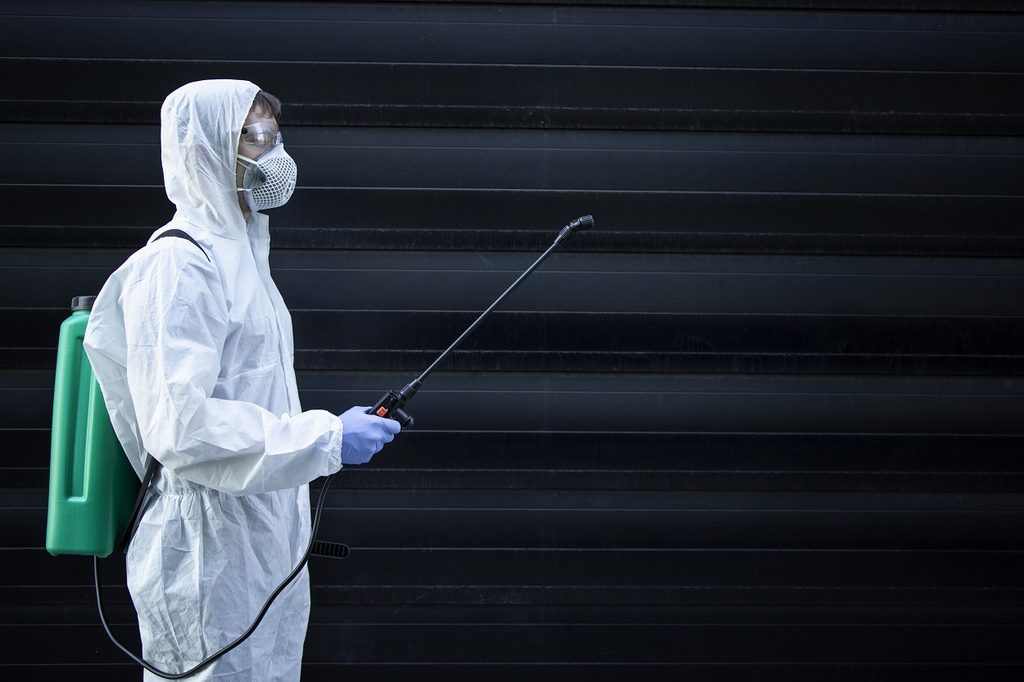
DIY sprays can provide temporary relief when you see individual insects, but recurring infestations may require a more comprehensive approach. Professional pest control services can inspect the property, identify the type of pest, locate potential breeding or hiding areas, and recommend an appropriate treatment.
For homes and businesses in Dwarka, scheduling a professional inspection after the monsoon can be a practical way to identify pest problems early and protect the property throughout the year.
FAQs
1. Why do pests increase after the monsoon?
Higher humidity, stagnant water, damp areas, and changes in outdoor conditions can create favourable environments for pests. Some insects may also move indoors to find food and shelter.
2. When should I get post-monsoon pest control?
It is generally better to address pest activity early rather than waiting for an infestation to become severe. An inspection after the rainy season can help identify developing problems.
3. What are the most common post-monsoon pests?
Cockroaches, mosquitoes, ants, flies, termites, and other moisture-loving insects are commonly associated with post-monsoon pest problems.
4. Is one pest control treatment enough?
It depends on the pest, severity of infestation, property conditions, and treatment method. Some situations may require follow-up treatment or ongoing pest management.
5. How can I prevent mosquitoes after the monsoon?
Remove standing water, keep drains clean, cover water containers, maintain outdoor areas, and use suitable mosquito-control measures when necessary.
6. Can post-monsoon pest control protect against termites?
Professional termite treatment can help control existing termite activity and reduce the risk of future infestation. However, the appropriate treatment depends on the property and extent of the problem.
7. Is professional pest control safe for homes?
Professional services should follow appropriate product-label directions and safety procedures. Always follow the pest-control provider’s instructions regarding preparation, ventilation, children, pets, and re-entry after treatment.
Conclusion
Post-monsoon pest problems can develop quickly because moisture and humidity create favourable conditions for many insects. Cockroaches, mosquitoes, ants, flies, and termites can affect both residential and commercial properties.
Regular cleaning, removing standing water, controlling moisture, sealing entry points, and maintaining proper sanitation can reduce pest risks. If you notice recurring pest activity, professional pest control in Dwarka can help identify the source and provide a more targeted solution.
Taking preventive action after the monsoon is often easier and more cost-effective than waiting for a small pest problem to become a serious infestation.
